Software for logistics and supply chain
Goods move through warehouses, vehicles, and partners, and every hand-off is a chance for delay. We build the software that tracks each step.
Overview
Where software helps
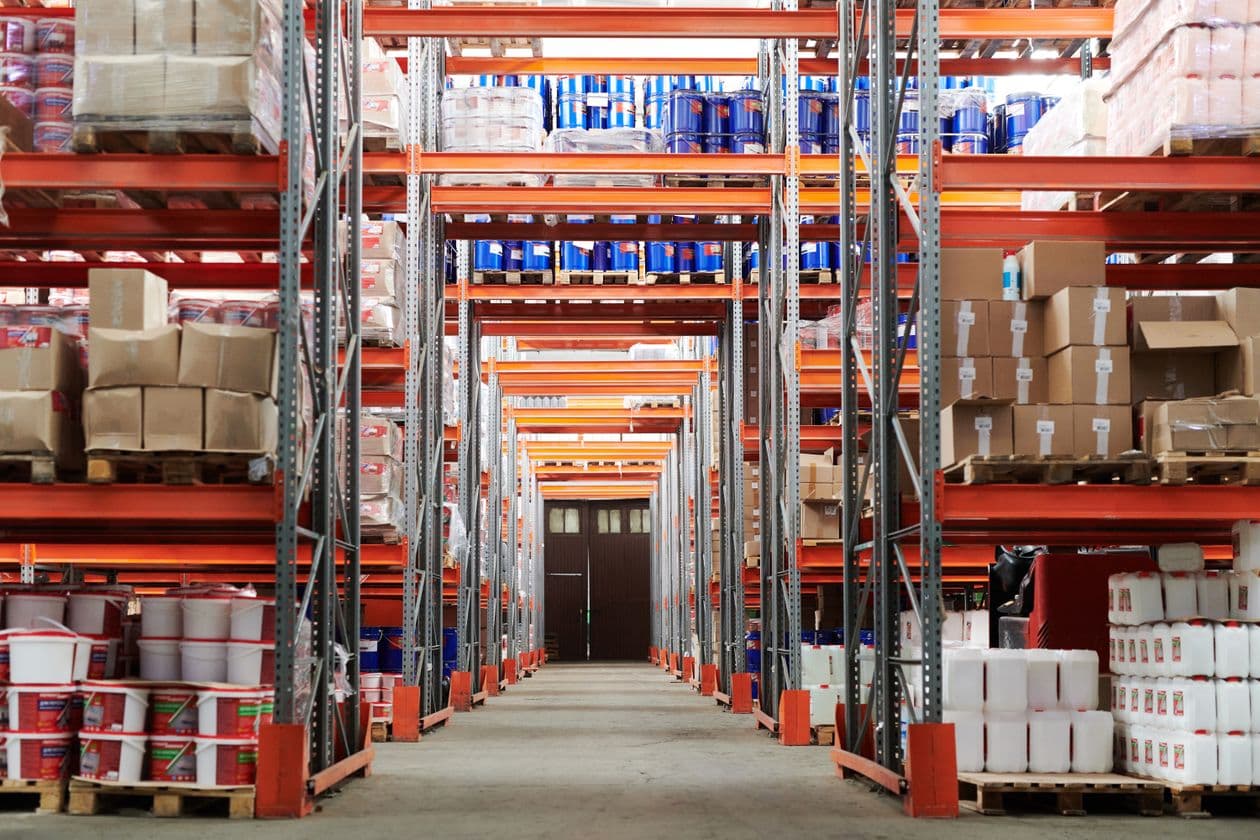
Logistics and supply chain businesses move goods through warehouses, vehicles, and partners every day. Each hand-off, from receiving stock to the final delivery, creates information that someone else needs.
Good logistics software captures that information where the work happens, through scans, apps, and integrations, so everyone sees the same status without phone calls and spreadsheets.
Who we build for
- Third-party logistics providers
- Courier and last-mile delivery companies
- Distributors and wholesalers
- Manufacturers with their own warehouses
- Transport and fleet operators
- E-commerce fulfilment centres
Common problems
What slows these businesses down
- 01
Nobody knows where a shipment is
Customers call for updates, and staff call drivers to find out.
- 02
Warehouse stock does not match the system
Picking errors and missing scans mean the records drift from what is on the shelves.
- 03
Partners work in different systems
Orders, manifests, and invoices move between companies by email and spreadsheet.
- 04
Proof of delivery is on paper
Signed delivery notes come back days later, which delays billing and makes disputes hard to settle.
What we build
Software we build for this industry
Warehouse management
Receiving, put-away, picking, and dispatch with barcode scanning.
ERP software developmentDelivery tracking
Live shipment status for your staff and a tracking page for customers.
Custom web applicationsDriver and field apps
Routes, proof of delivery, photos, and signatures on the phone, even offline.
Mobile app developmentCarrier and partner integrations
Orders, rates, labels, and tracking exchanged with carriers and marketplaces.
API development and integrationOperations dashboards
Orders in progress, delays, and warehouse workload on one screen.
Custom business softwareSomething else in mind?
Describe what you need and we will tell you how we would approach it.
Ask us
Typical features
Features these businesses usually need
- Inbound receiving and put-away
- Barcode and QR scanning
- Pick lists and packing
- Shipment tracking with status updates
- Driver app with proof of delivery
- Route and delivery planning
- Carrier rates and label printing
- Stock, order, and delay reports
What to plan for
Rules, security, and integration
Points that shape the design from the start. We raise them during discovery so they are not a surprise later.
- Working without signal
- Drivers and warehouse staff often lose connection. Apps should save work on the device and sync when back online.
- Hardware in the field
- Barcode scanners, label printers, and GPS devices need to work with the software, so they are chosen and tested early.
- Documents and compliance
- Shipments may need documents such as GST e-way bills in India, and partners may exchange data in formats such as EDI.
- Volume at peak times
- Busy warehouses and fleets create many scans and updates every minute. The system has to stay quick when volume is highest.


FAQ
Common questions
Yes. Deliveries, photos, and signatures are saved on the phone and sent when the connection returns.
Usually, yes. Most ERPs and carriers provide APIs or file exchanges for orders, rates, and tracking.
Not always. Smaller operations often start with scanning, stock locations, and picking lists, and add more once those work well.
Building software for your business?
Tell us about your business and the problem you want to solve. We will suggest a sensible first step and a rough scope.